Education in Nutrition
Explore the natural nutrient composition of foods common in Central and Eastern European diets. This resource provides scientific information about vitamins, minerals, and nutritional content found in everyday products.
Educational content only. No promises of outcomes.
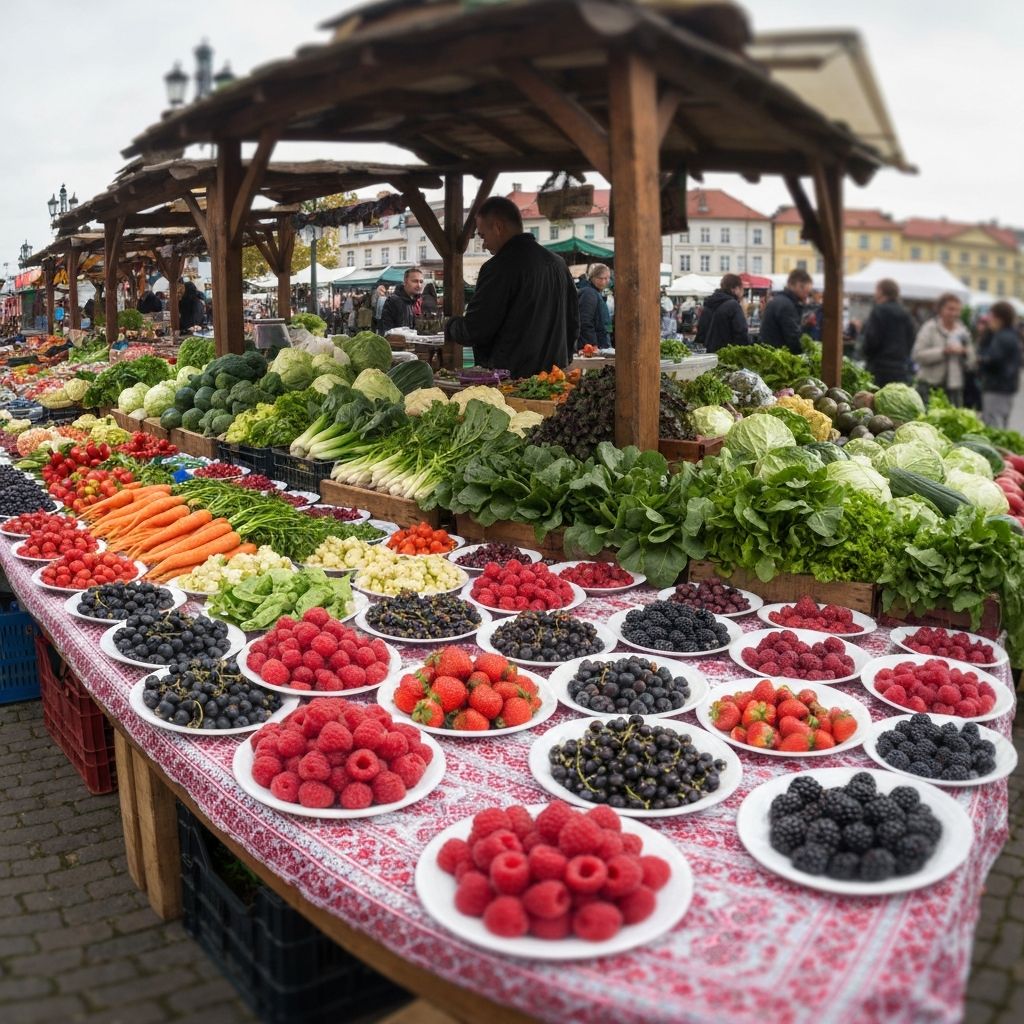
Everyday Nutrient Sources
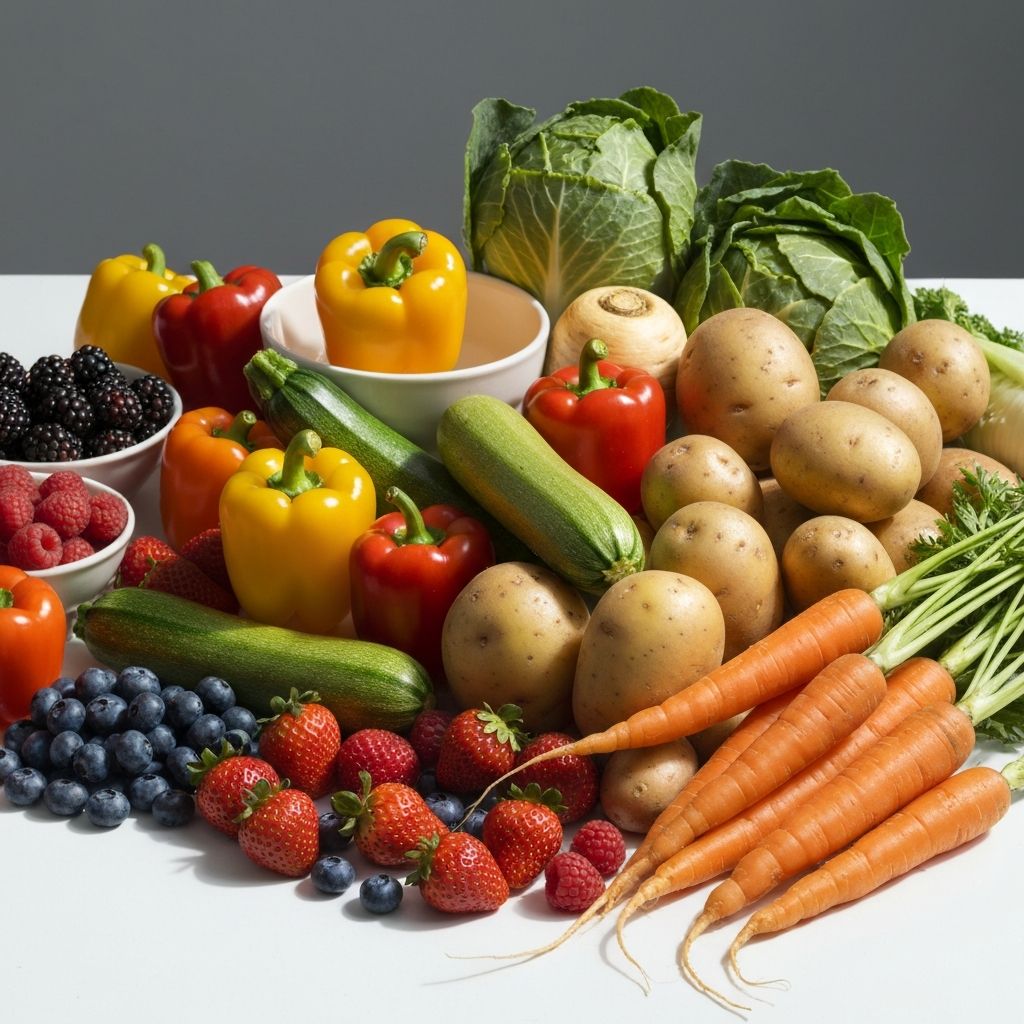
Foods available in Central and Eastern European markets contain diverse nutrients essential to general human health. This educational resource explains the nutritional composition and natural nutrient content of common produce without offering personalized recommendations.
The variation in nutrient content depends on growing conditions, harvest season, storage methods, and food preparation techniques. Different individuals have different nutritional needs, which may vary based on many factors.
Vitamins in Polish Berries
Polish berries represent a significant category of seasonal produce rich in various vitamins. Black currants, red currants, raspberries, and other local berries contain measurable amounts of vitamin C, vitamin K, and compounds classified as antioxidants.
The vitamin content varies by species, ripeness, and storage duration. Fresh berries typically contain higher levels of water-soluble vitamins compared to processed forms. Climate and soil composition in the Vistula region contribute to the nutrient profile of local berry production.
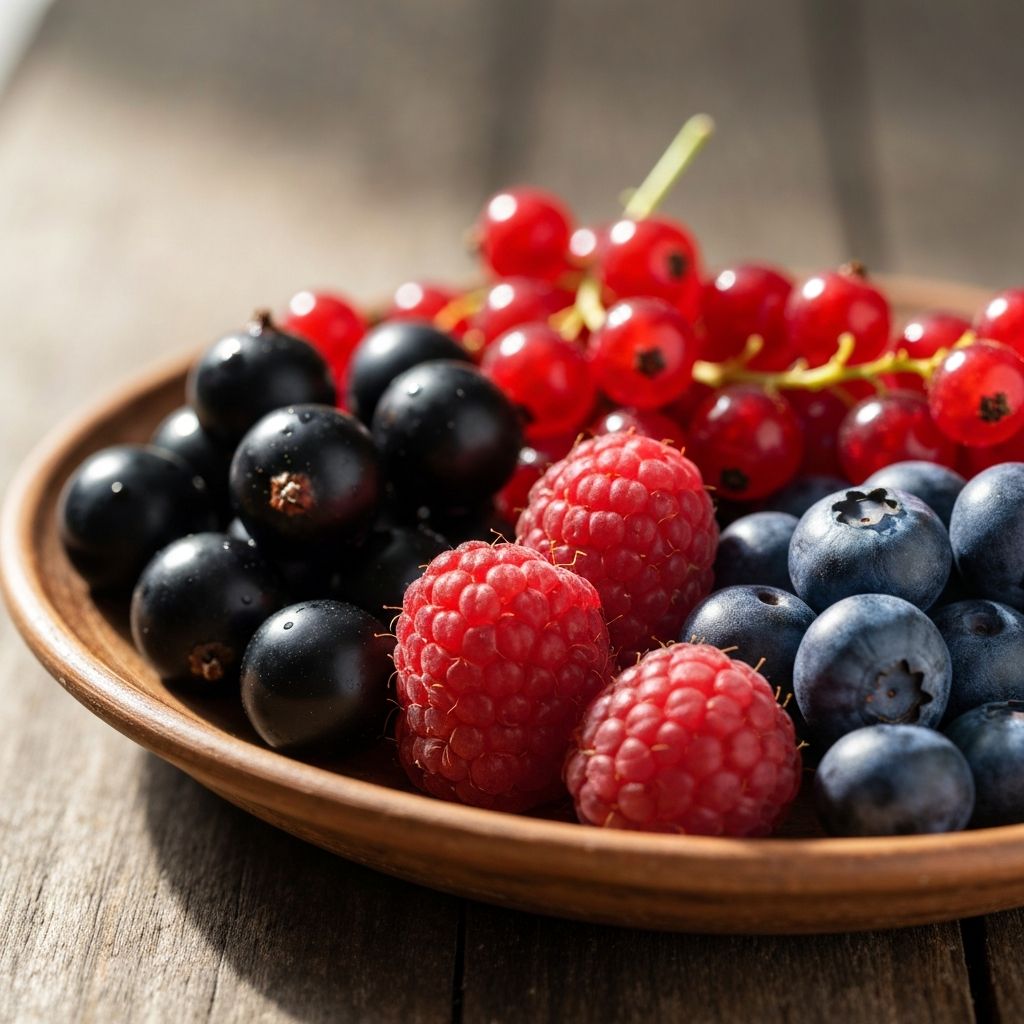
Product Composition Examples
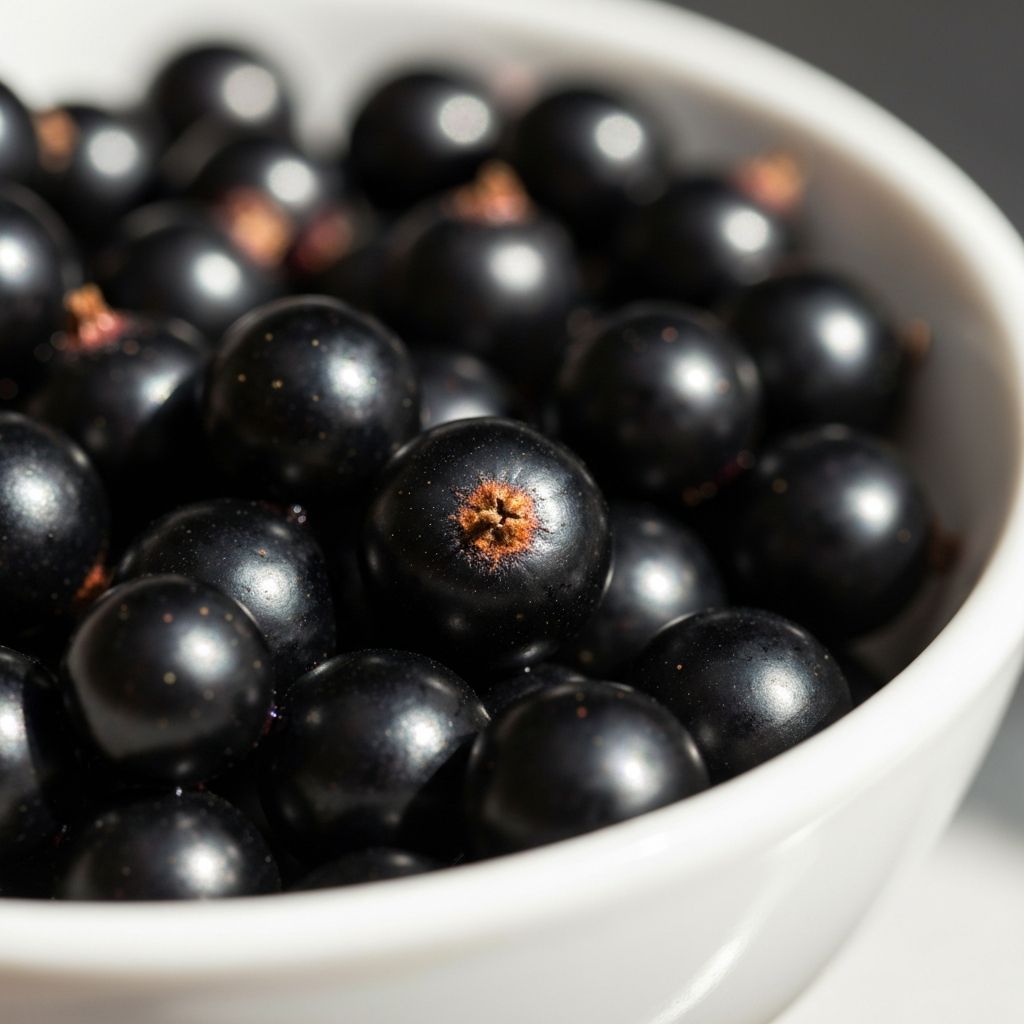
Black Currants
Black currants contain notable amounts of vitamin C per 100 grams. They also provide vitamin K, manganese, and copper. The antioxidant compounds in black currants represent a subject of nutritional study. Fresh black currants are typically available during summer months in Central European markets.
View Educational Disclaimer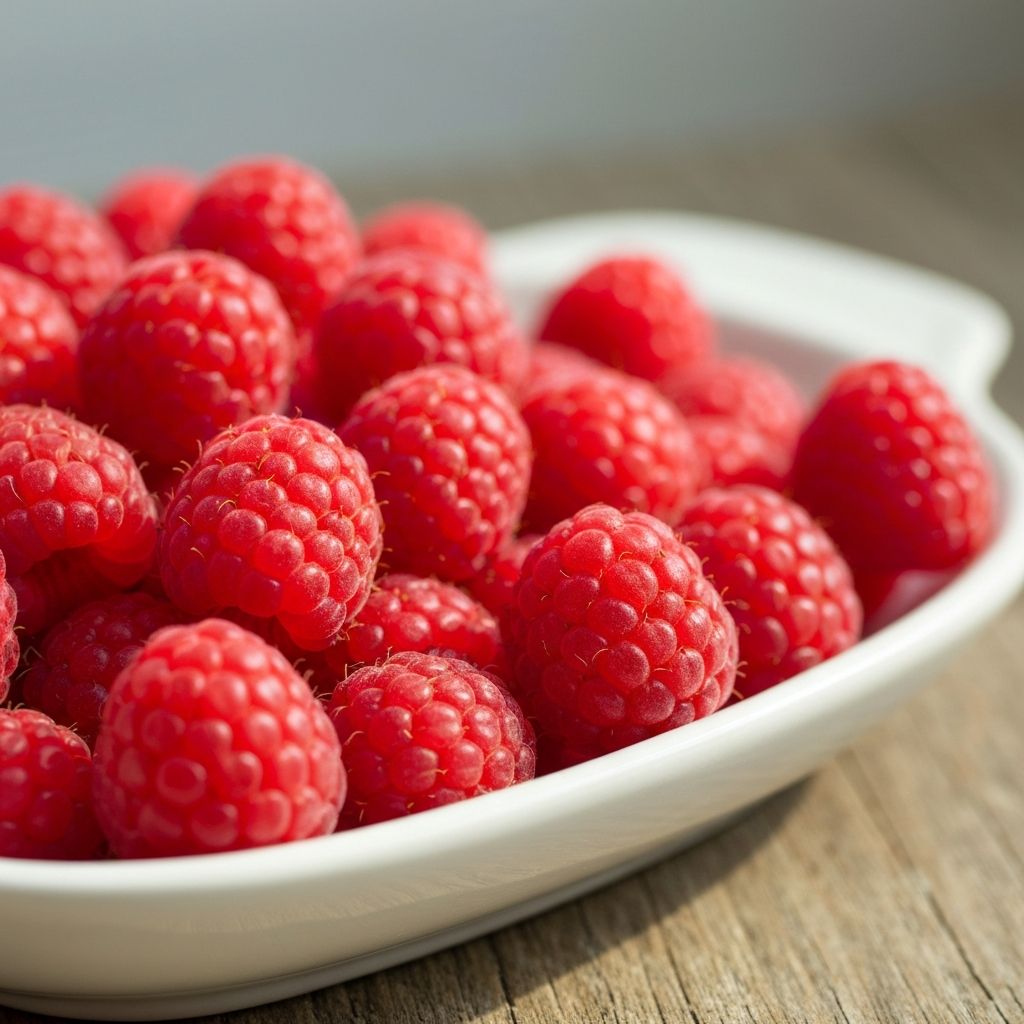
Raspberries
Raspberries provide vitamin C and dietary fiber. They contain manganese and copper in measurable quantities. The nutrient density of raspberries remains relatively high in fresh form. Nutritional content can change through processing or storage methods used in food preparation.
View Educational Disclaimer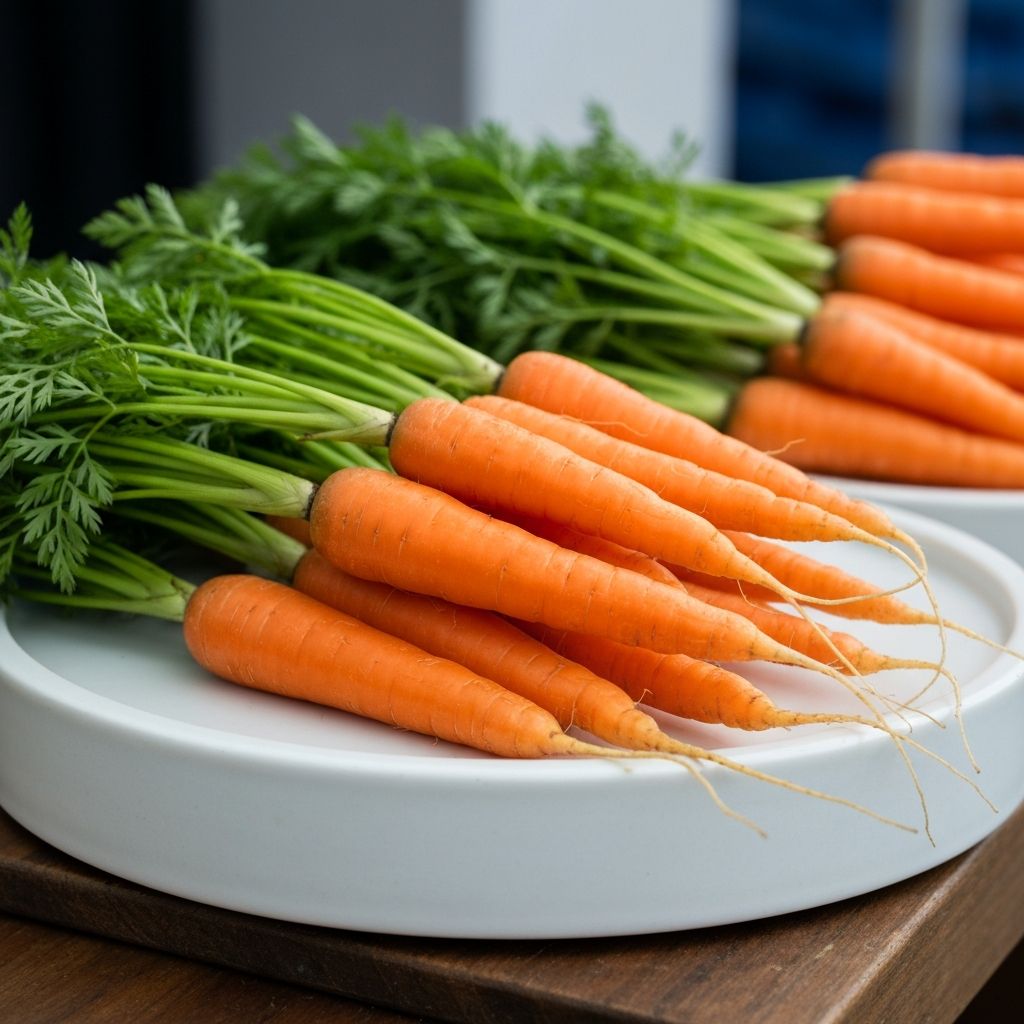
Carrots
Carrots represent a root vegetable with significant beta-carotene content, which the human body converts to vitamin A. They provide potassium, manganese, and vitamin K. Orange carrots from Central European cultivation contain consistent nutrient profiles when fresh and properly stored.
View Educational DisclaimerMinerals from Root Vegetables
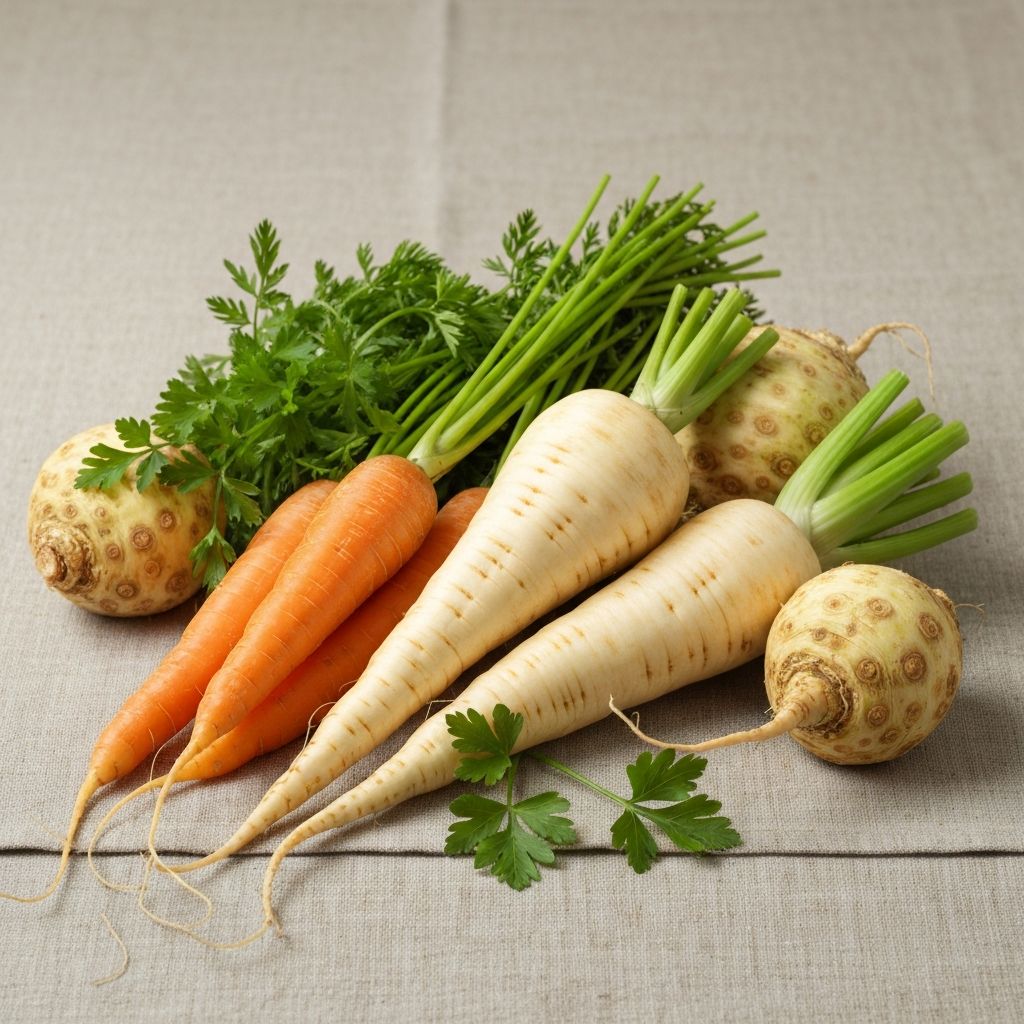
Root vegetables—including carrots, parsnips, celeriac, and parsley root—provide various minerals essential to metabolic processes. These vegetables contain potassium, which plays roles in cellular function. Calcium, magnesium, and phosphorus also appear in measurable quantities.
The mineral content in root vegetables relates to soil composition in growing regions. The Vistula basin's geological characteristics influence the mineral profile of locally cultivated produce. Storage conditions affect the mineral retention in these vegetables over time.
Role of Seasonal Produce
Seasonal eating patterns in Central Europe reflect the agricultural cycles of different regions. Spring brings leafy greens and early vegetables. Summer provides berries, stone fruits, and peak vegetable production. Autumn introduces root vegetables and longer-storage produce. Winter relies on stored vegetables and preserved items.
The nutrient composition of seasonal foods varies naturally with the growing conditions each season offers. Foods harvested at peak ripeness typically contain higher nutrient density than products stored for extended periods or transported from distant climates.
Stone Fruits Nutritional Facts
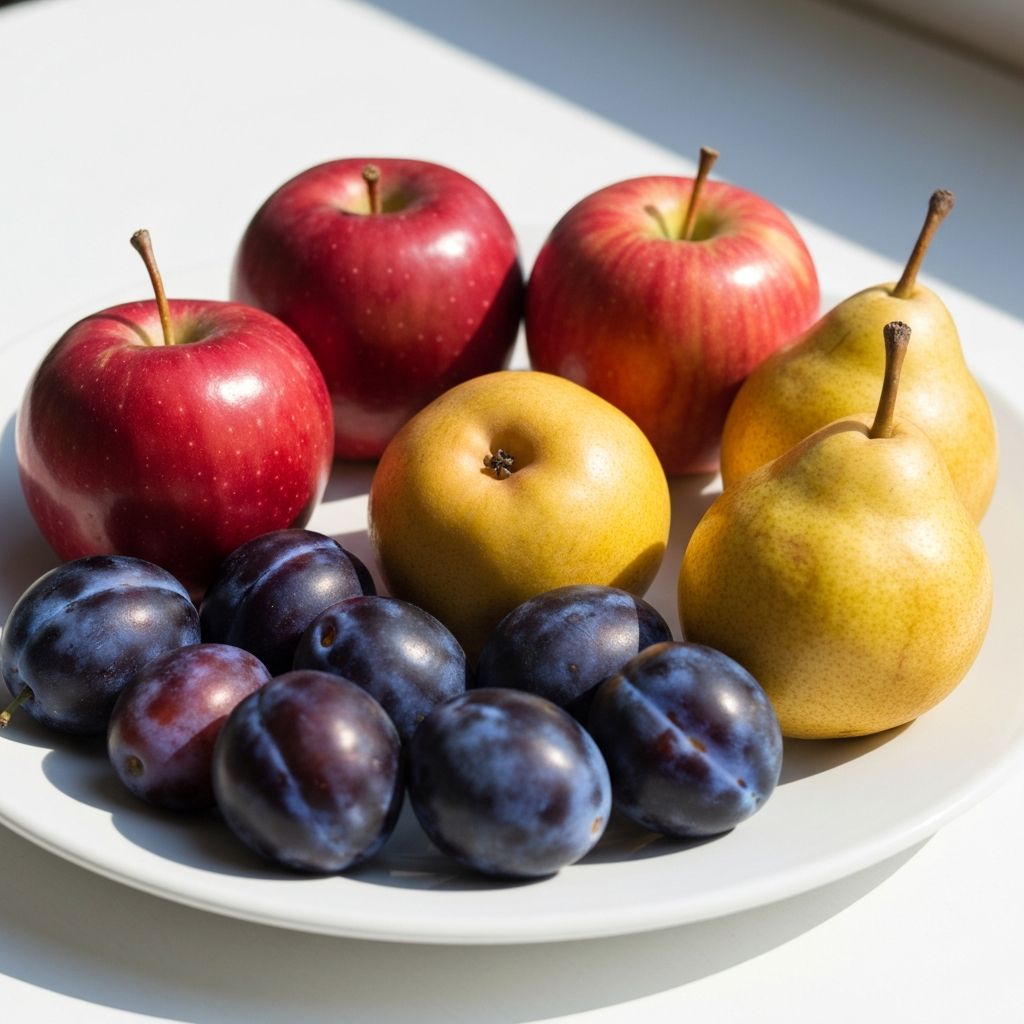
Stone fruits—apples, pears, plums, and similar produce—represent important seasonal offerings in Central European markets. These fruits contain vitamin C in variable amounts depending on species and ripeness. They provide dietary fiber, potassium, and copper.
The nutrient profile of stone fruits changes throughout the season as different varieties mature. Early season varieties offer different compositions than late season harvests. Storage methods and duration influence the nutrient content consumers eventually purchase.
Leafy Greens in Central Europe
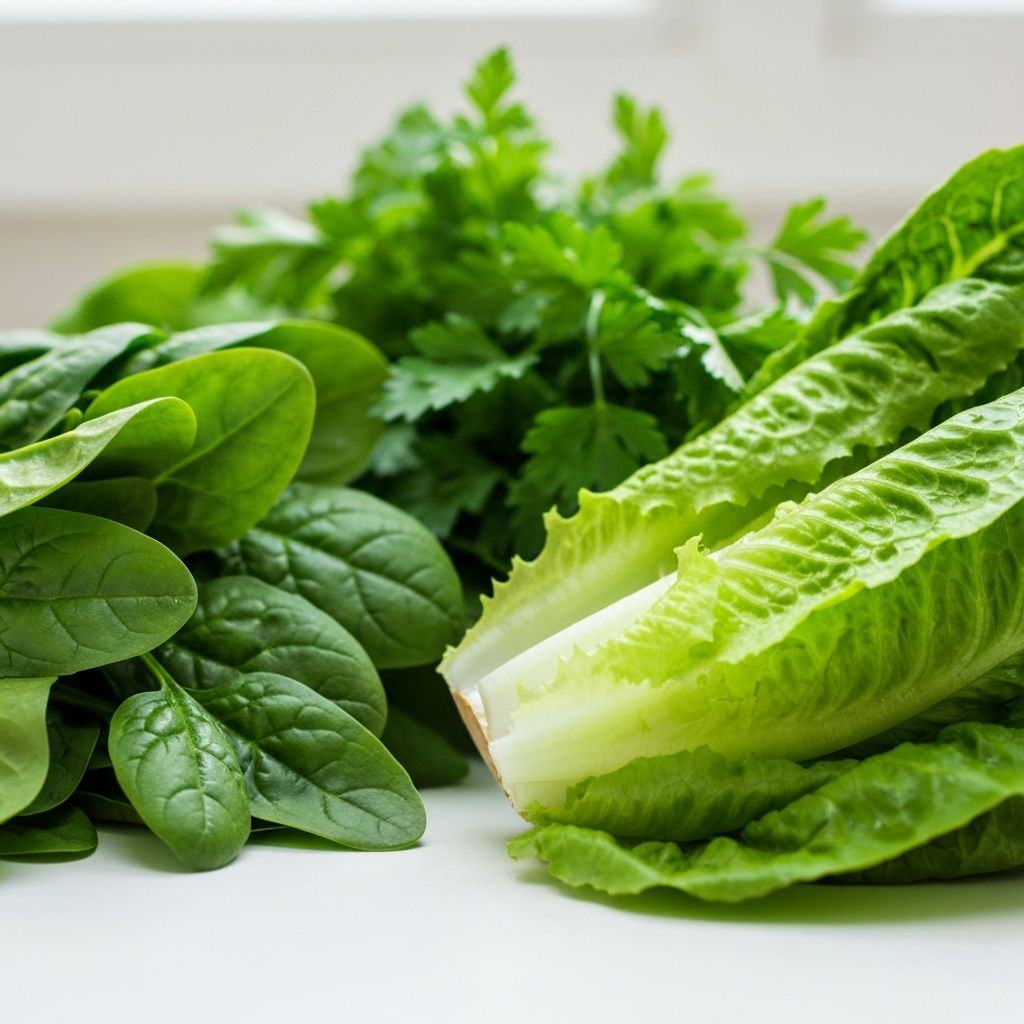
Leafy greens including spinach, lettuce, parsley, and similar vegetables provide substantial amounts of vitamin K. They contain folate, a B-complex vitamin. Calcium, iron, and magnesium appear in notable quantities in various leafy varieties.
The bioavailability of nutrients in leafy greens—how effectively the human body can utilize these nutrients—varies based on food preparation methods and individual digestive factors. Fresh greens typically contain higher water-soluble vitamin levels than cooked or stored varieties.
Common Questions About Food Composition
How does storage affect nutrients?
Storage conditions including temperature, light exposure, and humidity influence nutrient retention. Water-soluble vitamins typically decrease over time. Refrigeration slows nutrient loss compared to room temperature storage. Duration and method of storage significantly impact final nutrient content.
What affects nutrient density?
Soil composition, climate conditions, harvest timing, and plant variety all influence nutrient density. Foods harvested at peak ripeness differ from those harvested early. Growing season length, rainfall, and temperature variations create natural fluctuations in nutritional content.
How does preparation matter?
Cooking methods change nutrient content. Boiling can leach water-soluble vitamins. Steaming or roasting may preserve nutrients better. Raw versus cooked foods have different nutrient profiles. Freezing preserves certain nutrients well, while others may decrease during freezing processes.
Variety in Regional Ingredients
The Vistula region and surrounding Central European areas offer diverse produce variety. Local markets display different vegetables, berries, and fruits throughout the year. This diversity in available ingredients reflects regional agricultural traditions and climate patterns.
Regional produce tends to have established supply networks shorter than imported alternatives. Locally grown food arrives at markets faster after harvest, potentially preserving more nutrients. Agricultural practices in Poland and surrounding regions have developed over centuries to optimize seasonal production.
References Overview
This educational resource synthesizes information from nutritional science regarding the natural nutrient content of common foods. The data presented reflects established nutritional composition records from scientific literature and food databases.
Readers interested in detailed nutritional information can consult comprehensive food composition databases, peer-reviewed nutritional research, and resources from scientific institutions. Individual nutritional science publications provide specific data on nutrients in various foods.
Explore More
Learn more about the nutritional composition of foods by exploring the detailed information available on this educational resource.